Power Steering FAQ: Everything You Actually Wanted to Know
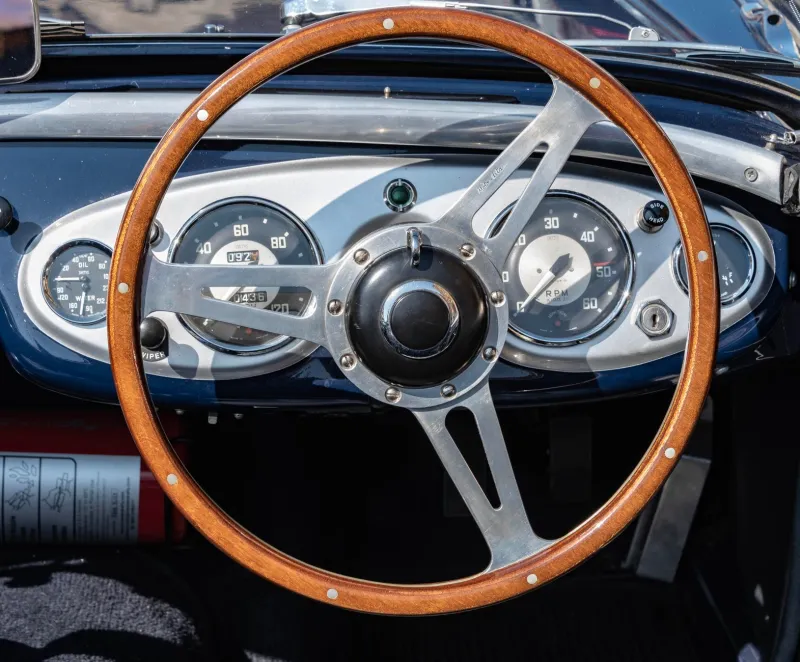
If you've ever watched a NASCAR driver muscle a stock car through a tight turn at Talladega, or seen an IndyCar pilot thread the needle at Turn One of a street circuit, you already know that steering is everything. The difference between clean control and chaos comes down to what's happening at the front of the car — which is literally what we're all about here at Turn One Steering.
But steering systems aren't just a motorsports topic. Every driver on every road in America is relying on some version of this technology every single day. So let's get into it — here are the most common power steering questions, answered straight.
What Is Power Steering, Exactly?
Power steering is a system that reduces the effort required to turn your steering wheel. Without it, you'd be wrestling the wheel like you're trying to parallel park a school bus by hand. The system uses either hydraulic pressure or electric motors to assist the driver's input, making steering feel light and responsive.
There are two main types:
- Hydraulic Power Steering (HPS): Uses a pump driven by the engine to pressurize fluid, which then assists the steering rack.
- Electric Power Steering (EPS): Uses an electric motor — either on the steering column or the rack itself — to provide assist. No fluid required.
Most modern vehicles made after 2010 have moved toward EPS because it's more fuel-efficient and requires less maintenance.
How Do I Know If My Power Steering Is Failing?
Your car will usually tell you before things get bad. Here are the most common warning signs:
- Heavy or stiff steering — If turning the wheel suddenly feels like an arm workout, your assist system may be struggling.
- Whining or groaning noise when turning — Classic symptom of a hydraulic power steering pump that's low on fluid or wearing out.
- Fluid leak under the car — Reddish or pinkish fluid pooling near the front of the vehicle could be power steering fluid.
- Steering wheel vibration — Can indicate a failing pump or air in the hydraulic system.
- EPS warning light — On electric systems, the dashboard will usually flag a fault directly.
If you notice any of these, get it checked out. Driving without proper steering assist isn't just uncomfortable — it's a safety issue.
What Kind of Fluid Does Power Steering Use?
This one trips people up more than you'd think. Hydraulic power steering systems use dedicated power steering fluid, but the specific type varies by manufacturer. Some vehicles use ATF (automatic transmission fluid) instead. Always check your owner's manual before topping off.
Using the wrong fluid can damage seals and lead to expensive repairs. When in doubt, ask your mechanic or call your dealership's service department.
If you have an electric power steering system — no fluid needed. That's one of the perks.
How Often Should I Check or Change Power Steering Fluid?
For hydraulic systems, checking the fluid level every few months is a smart habit — especially if you notice any of the warning signs above. A full flush and replacement is typically recommended every 30,000 to 50,000 miles, though this varies by vehicle.
Dirty or degraded fluid loses its lubricating properties and can accelerate wear on the pump and rack. Think of it like engine oil — it doesn't last forever.
Can I Drive Without Power Steering?
Technically, yes. Mechanically, the car will still steer. Practically? It's a serious workout, especially at low speeds and in parking lots. At highway speeds it becomes more manageable, but any emergency maneuver could become dangerous if you're not prepared for the extra resistance.
If your power steering fails while driving, stay calm, reduce speed, and use both hands. Get it to a shop as soon as possible — don't treat it as a minor inconvenience you can ignore.
Is Electric Power Steering Better Than Hydraulic?
Depends on what you value. Here's a quick breakdown:
| Feature | Hydraulic | Electric |
|---|---|---|
| Feel/Feedback | Rich, natural | Can feel artificial |
| Fuel Economy | Lower (pump runs constantly) | Higher (on-demand assist) |
| Maintenance | Fluid checks, pump wear | Minimal |
| Performance tuning | Harder to adjust | Software-adjustable |
| Cost to repair | Moderate | Can be higher |
For everyday driving, EPS wins on convenience. For performance driving and racing applications, a lot of purists still swear by the road feel of a well-tuned hydraulic setup. It's a debate that's been going on in motorsports circles for years — kind of like the manual vs. automatic transmission argument.
What's the Difference Between Power Steering and Active Steering?
Great question. Standard power steering just amplifies your input. Active steering systems (found on some BMW, Mercedes, and performance-oriented vehicles) can actually adjust the steering ratio based on speed — lighter at low speeds, more direct at highway speeds. Some systems can even apply corrective steering inputs to help prevent skids.
It's the kind of technology that trickles down from motorsport engineering into production vehicles. Formula 1 teams have been experimenting with active front-end management for decades, and the lessons learned on the track eventually show up in your daily driver.
How Much Does It Cost to Fix Power Steering?
Costs vary widely depending on what failed and what kind of system your vehicle has:
- Fluid top-off: A few dollars DIY
- Power steering flush: $75–$150 at a shop
- Pump replacement: $200–$600+ depending on vehicle
- Rack and pinion replacement: $500–$1,500+
- EPS motor or module: $300–$1,000+
Always get a second opinion on major repairs, and don't let a shop upsell you on a full rack replacement if only the pump needs attention.
Final Thoughts
Steering is the first point of contact between your intentions and the road — same as it is for every driver who's ever lined up at Turn One of a race circuit. Understanding how your power steering system works, what to watch for, and when to act isn't just good car ownership. It's the kind of front-row awareness that keeps you in control no matter what the road throws at you.
Got more questions? Drop them in the comments. We're always here to help you stay sharp behind the wheel.