Your Season Is One Snap From Over. Who's Holding the Clipboard?
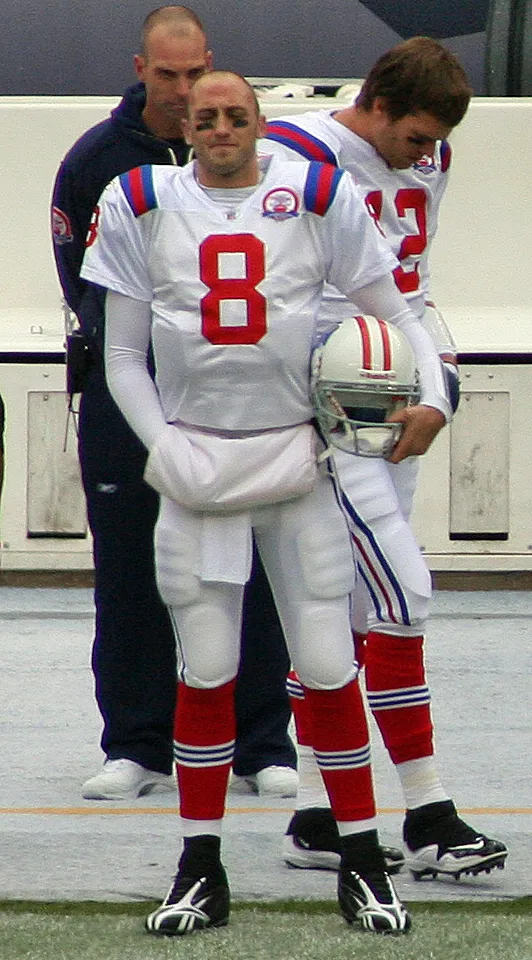
Photo: Jeffrey Beall, CC BY-SA 3.0, via Wikimedia Commons
Let's get the uncomfortable part out of the way: the single most important player on your favorite team's roster might be the guy you've never seen take a meaningful snap.
The Math Nobody Wants to Do
Quarterbacks get hurt. It's not pessimism, it's arithmetic. Quarterbacks take more contact per play than any non-running-back position, and the hits they take are the kind that end seasons. Over a 12-game college season or a 17-game NFL grind, the probability that your QB1 plays every snap approaches zero.
Yet look around the sport and you'll see the same pattern: programs that pour every resource into the starter and treat the backup job like a scholarship to be handed out. Then October arrives, the starter's shoulder gives out, and suddenly a true freshman with 12 career snaps is running a playoff offense.
When the Plan Works
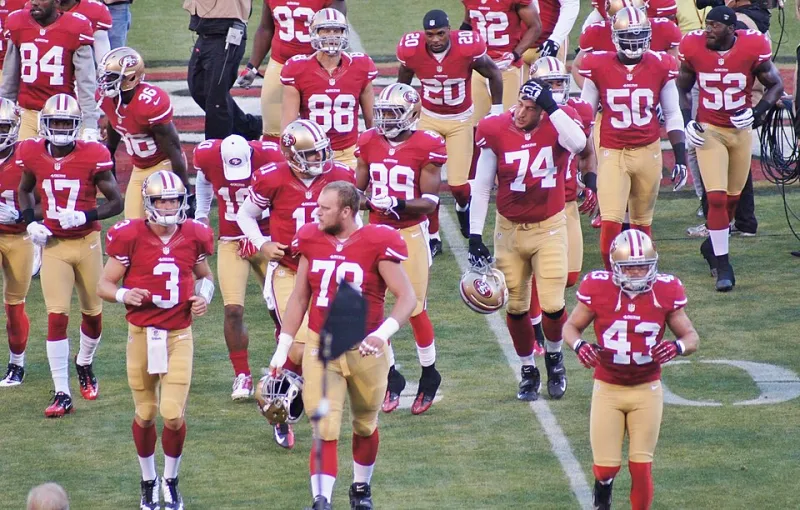
The franchises that get this right treat the backup as a position, not a person. The obvious NFL case study is Philadelphia keeping a capable veteran behind an injury-prone starter and watching a potential lost season become a deep playoff run. The 49ers rode a seventh-round rookie through an NFC Championship because the infrastructure around the position was built to survive a blackout.
College football tells the same story. National title teams almost universally have a story about the year the backup grew up in a hurry. Programs that run legit quarterback competitions every spring — even with a star returning — aren't disrespecting the star. They're acknowledging the math.
The Transfer Portal Made This Worse
Here's the modern twist: the portal has made backup quarterback the hardest job in roster construction. Every talented young QB knows that sitting behind a star for two years is a career death sentence when he can start somewhere else tomorrow. So the moment your backup realizes he's good, he's gone.
The programs that win this problem do one of three things. They over-recruit the position and accept attrition as the cost of doing business. They sell the development pitch harder than anyone — come here, sit for a year, leave as a pro. Or they keep a portal veteran on retainer, a known quantity one snap away. All three are expensive. All three are cheaper than a five-loss season.
Depth Is a Philosophy, Not a List
This isn't just about quarterbacks, though QB is where the pain concentrates. Look at any championship roster and you'll find front offices that built real insurance at left tackle, edge rusher, and the return game. The mark of a great general manager isn't the highlight reel — it's who's standing on the sideline in street clothes when the highlight reel pulls a hamstring.
Turn one of any season happens before the season: it's the depth chart you build in April. Teams that win the November games everyone circles are usually the teams that spent their spring asking the boring question — what happens when our best player goes down? — and refusing to hate the answer.
Your season is one snap from chaos. The only variable is whether you planned for it.