Let the Zebras Eat: In Defense of the Blown Call

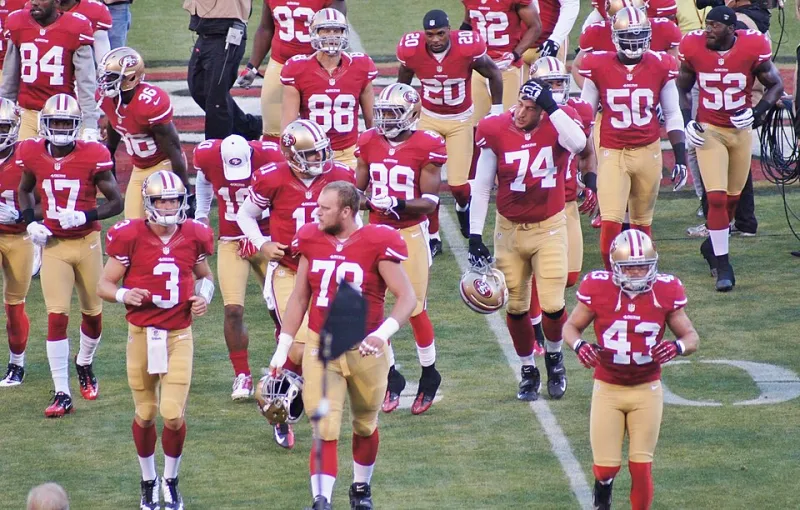
Photo: Andrew Bone from Weymouth, England, CC BY 2.0, via Wikimedia Commons
I'm going to say the unpopular thing: the refs are right more often than we think, the replay booth is wrong more often than we admit, and the sport we're building by obsessing over every pixel is a worse sport than the one we had.
The Numbers Don't Support the Panic
Start with the science. Officials at the highest levels of American sports get the overwhelming majority of calls correct — studies of MLB strike zones and NFL officiating accuracy consistently put correct-call rates well above 90%, often higher than the accuracy of the cameras used to check them. Refs are, measurably, very good at an extremely hard job: judging high-speed, full-contact events in real time from imperfect angles.
Yet the public perception is that officiating is in permanent crisis. Why? Because we only see the misses. A perfect call generates zero highlights. The replay era has trained fans to treat the 4% error rate as the whole story.
The Paradox of Perfection
Here's the uncomfortable trade we've made. Every additional review buys certainty and costs something else: pace, emotion, and the raw understanding that what you just saw on the field was real.
Watch what happens during a modern review. The stadium goes quiet. Players stand around. Fans squint at a scoreboard graphic. The moment — the catch, the collision, the inch — is suspended, laundered through a booth, and returned to us pre-digested. We no longer celebrate plays; we await rulings.
And here's the kicker: replay doesn't eliminate controversy. It just relocates it. Ask any NFL fan about "catch" or "roughing the passer." The rulebook got longer, the reviews got longer, and the arguments got more technical, not fewer.
Human Error Is Part of the Product
We accept human error everywhere else in sports. A receiver drops a pass. A closer blows a save. A kicker pushes a kick wide right. We don't demand those moments be overturned by a booth — we call them drama.
An official's mistake is the same category of event. The 1985 World Series, the Fail Mary, the Immaculate Reception's contorted rule interpretation — these aren't stains on the sport. They're the stories fans tell decades later. Blown calls create folklore. Perfect rulings create paperwork.
There's also a competitive argument. Human officiating, with its imperfections, rewards teams that play well enough to survive a bad call. The best teams don't leave games close enough for one whistle to decide them. Replay culture quietly teaches the opposite lesson: that every margin should be litigated, every loss should have a scapegoat.
A Reasonable Middle Ground
I'm not arguing for the Wild West. Scoring plays and player safety deserve review — those are the calls where a single mistake changes outcomes too severely to ignore. Keep those. But:
- Cap reviews at 45 seconds. If it's not obvious, the call stands.
- Eliminate judgment-call reviews entirely. Catch/no-catch, catchability, force-outs — let humans judge humans.
- Publish officiating grades weekly, so accountability lives in transparency rather than endless booth interventions.
The goal should be fewer reviews, faster games, and officials empowered to officiate.
The Wheel Was Meant to Be Turned by Hand
Sports are at their best when they feel like life at high speed: imperfect, immediate, and unrevisable. Every era of fans before us watched the game once, in real time, and lived with the verdict. There was a strange freedom in that.
We should take some of it back. Let the officials officiate. Let the plays stand. And let the occasional blown call remind us why we watch in the first place — not for certainty, but for the moment the ball is in the air and nobody, not even the guy with the headset, knows what happens next.